Coastal Engineering: The Big Sur Tower
Inside the engineering innovations required to build a permanent structure on one of the world's most demanding coastlines.
Building on the Big Sur coastline required rethinking every assumption about structural engineering. Salt air, seismic activity, coastal winds, and fog-driven moisture create one of the most demanding building environments in North America.
Our engineering team spent eighteen months developing corrosion-resistant connection details, wind-load mitigation strategies, and moisture management systems specifically calibrated for this microclimate.
Seismic Resilience
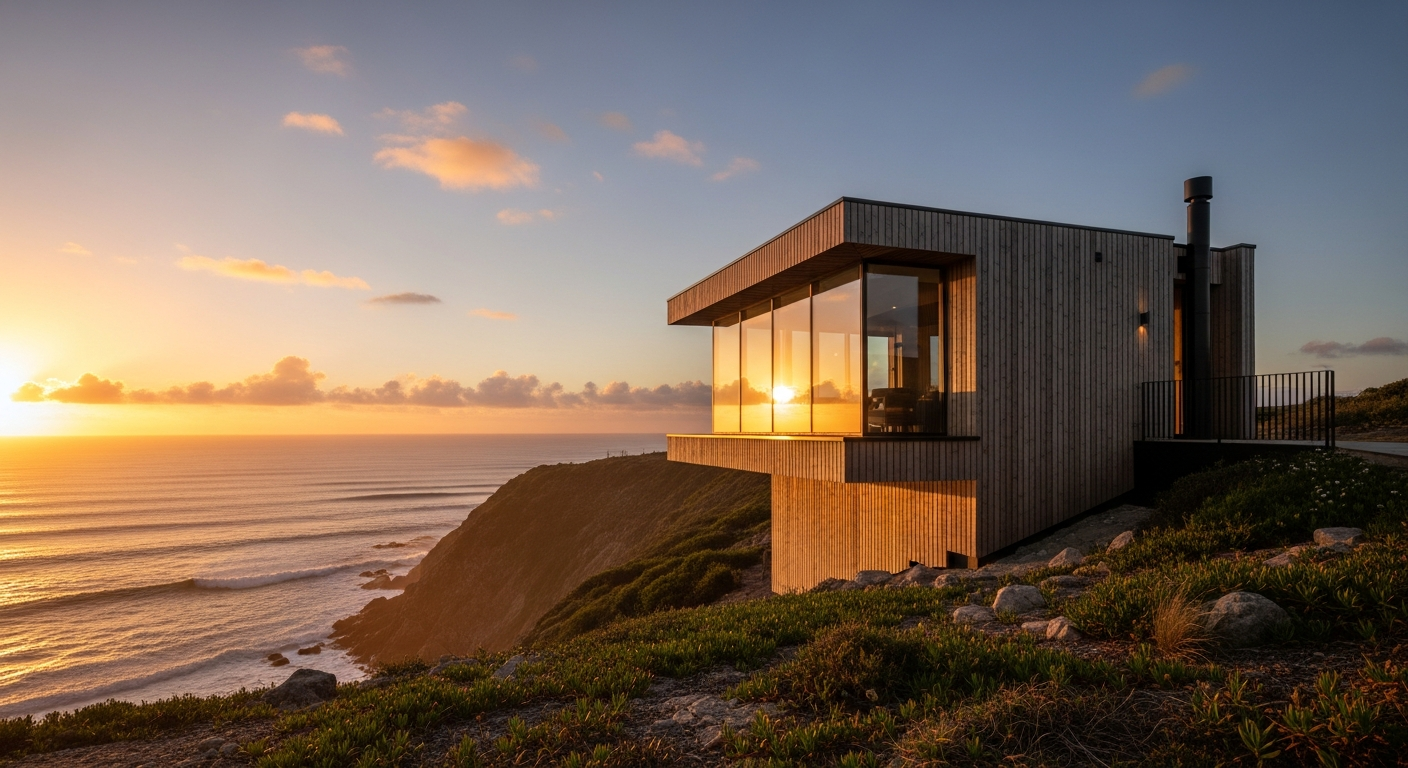
Big Sur sits within 30 miles of the San Andreas fault system. Our tower uses a base-isolation system — the structure rests on elastomeric bearings that allow controlled horizontal movement during seismic events. During the 2025 Parkfield sequence, our monitoring systems recorded the tower swaying less than 2 inches at the crown — well within design parameters — while the ground beneath it moved nearly six inches.
The base-isolation approach means the tower can withstand a magnitude 7.5 event with no structural damage. Guests are often surprised to learn that the gentle sway they occasionally feel during minor tremors is actually the building performing exactly as designed.
Fog and Moisture
Big Sur's coastal fog presents a unique moisture challenge. During summer months, the tower can be enveloped in fog for 12 to 16 hours a day, depositing moisture at rates comparable to light rain. Every exterior surface is designed to shed this moisture actively — no ledges, no horizontal joints, no crevices where water can pool and begin corrosion.
Wind Engineering
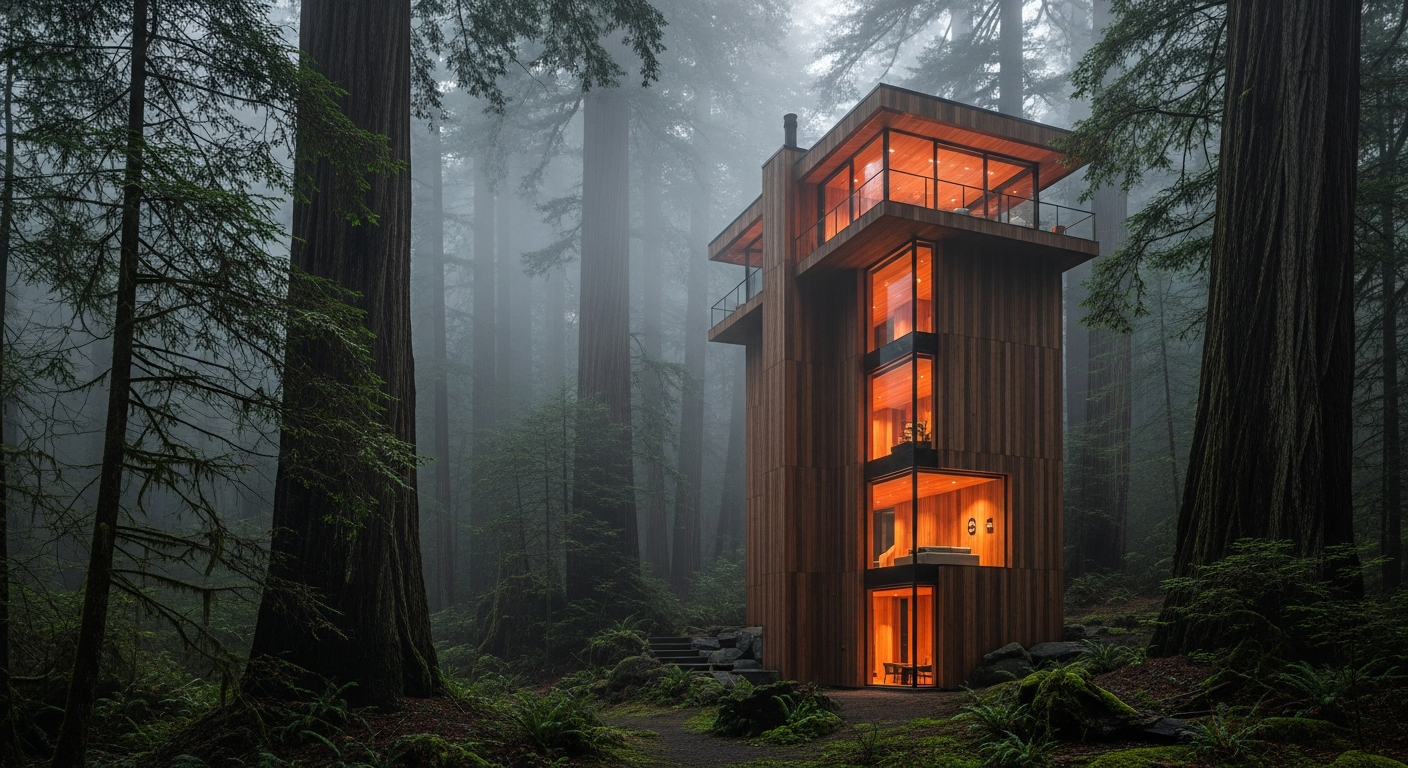
Coastal winds at the tower's elevation regularly exceed 60 mph during winter storms, with peak gusts recorded above 90 mph. The tower's aerodynamic profile — a tapered form that narrows toward the top — reduces wind-induced oscillation by 35% compared to a rectilinear form of equivalent height.
Wind-tunnel testing during the design phase revealed that the tower's shape creates a quiet zone on its leeward side, where outdoor terraces remain usable even in sustained 40 mph winds. This wasn't an accidental discovery — it was a deliberate design outcome that extends the usable outdoor season by months.